

bathroom mirror with time display
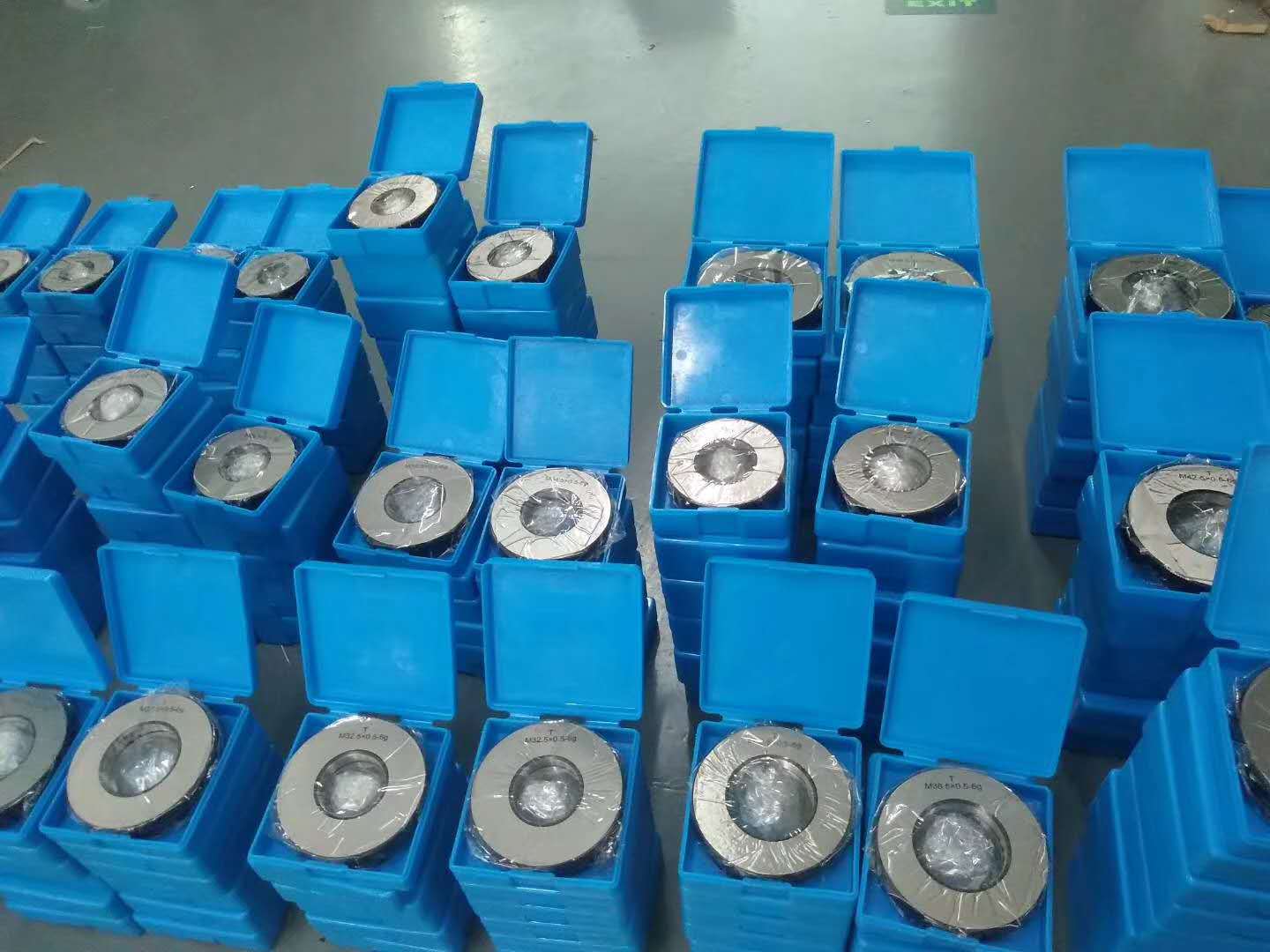
Go/No-Go Pin Gauge A Vital Tool for Quality Control In the world of manufacturing and quality control, precision is paramount. Engineers and quality assurance professionals are constantly in search of reliable methods to ensure that components meet their specified dimensions and tolerances. One of the most effective tools in this regard is the Go/No-Go pin gauge. This simple yet powerful instrument plays a crucial role in verifying the dimensional integrity of manufactured parts. Understanding Go/No-Go Pin Gauges A Go/No-Go pin gauge is a type of measuring tool used to determine if an object fits into a specified tolerance range. Essentially, it consists of two pins the Go pin and the No-Go pin. The Go pin measures the minimum acceptable dimension, while the No-Go pin measures the maximum allowable size. When a part is inserted into these pins, the outcome determines whether the part is acceptable or not. The fundamental principle behind the Go/No-Go gauge is to simplify the inspection process. Instead of relying on complex measuring instruments, operators can quickly and easily use these gauges to ensure that components meet critical specifications. This is especially important in industries such as aerospace, automotive, and electronics, where even the smallest deviation can result in significant failures. How It Works Using a Go/No-Go pin gauge is straightforward. The operator first inserts the Go pin into a hole or feature of the component being measured. If the pin fits easily and without force, the part passes the Go test, indicating that it meets the minimum requirement. Next, the operator checks the No-Go pin. If the No-Go pin fits into the same hole, the part fails the test, indicating it has exceeded the maximum allowable dimension. This binary method of measurement—pass or fail—makes Go/No-Go gauges extremely efficient. It eliminates the need for intricate calculations and reduces human error, allowing for a streamlined quality assurance process. go no go pin gauge Applications in Industry Go/No-Go pin gauges are widely used across various industries. In the automotive sector, they play a critical role in ensuring that engine parts, suspension systems, and safety features meet exacting standards. In aerospace, where safety is non-negotiable, these gauges help verify that components meet stringent regulatory requirements. Similarly, in the electronics industry, pin gauges ensure that connections and interfaces meet compatibility standards. Beyond these applications, Go/No-Go gauges are invaluable in any situation where dimensional conformity is critical. They are commonly used in machining, fabrication, and assembly processes, making them essential pieces of equipment for quality control departments. Advantages and Limitations One of the main advantages of Go/No-Go pin gauges is their simplicity. They are easy to use and require minimal training, allowing operators to quickly gain proficiency. They are also cost-effective compared to more sophisticated measuring devices. Additionally, the binary nature of the results allows manufacturers to implement quality checks swiftly without extensive data analysis. However, there are limitations to consider. Go/No-Go gauges do not provide specific measurements; they can only indicate whether parts fall within an acceptable range. Therefore, while they are excellent for basic quality checks, they may need to be used alongside more precise measuring tools for comprehensive inspection in critical applications. Conclusion In conclusion, Go/No-Go pin gauges are indispensable tools in the realm of manufacturing and quality control. They provide a practical solution for verifying dimensional accuracy, ensuring that components meet the required specifications. While they have limitations in terms of measurement precision, their ease of use and efficiency make them a staple in various industries. As manufacturing processes continue to evolve, the importance of reliable quality assurance tools like Go/No-Go pin gauges cannot be overstated. Maintaining high standards of quality not only reduces waste and rework but also ensures the safety and reliability of end products, ultimately benefiting both manufacturers and consumers alike.
about
bathroom mirror with time display
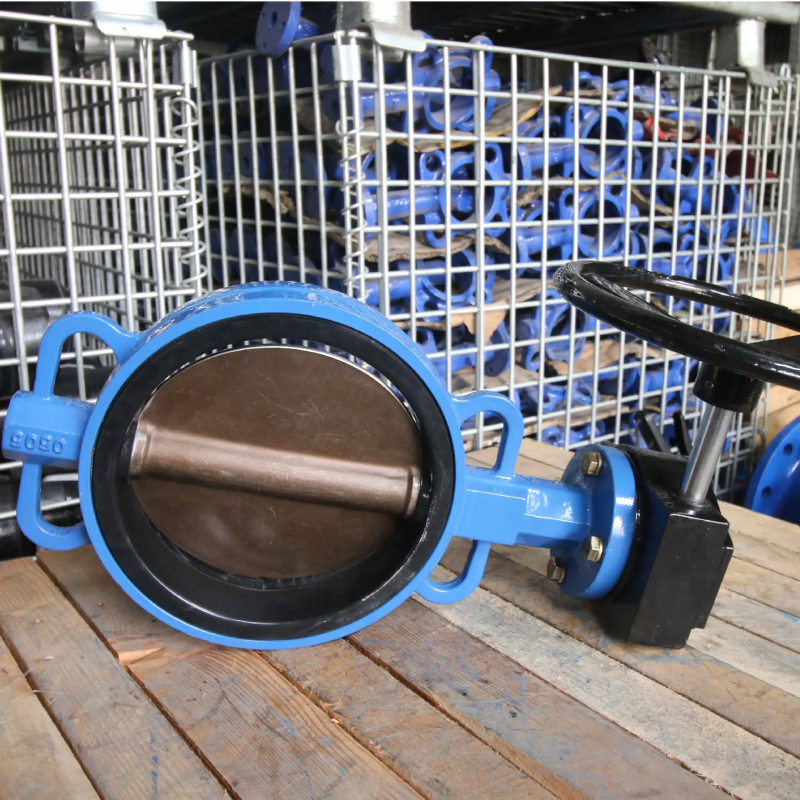
Understanding Globe Valves Design, Function, and Applications Globe valves are a critical component in various plumbing and industrial systems, serving as a key mechanism for regulating and controlling the flow of fluids. Known for their distinctive globe-shaped body, these valves possess a unique design that allows them to handle high-pressure conditions effectively while providing excellent flow control capabilities. Design and Structure The globe valve features a spherical body with an internal baffle that divides the flow path into two halves. The valve's closure mechanism consists of a movable disk or plug, which is threaded onto a stem that rises and lowers to either open or close the valve. This design allows for a linear movement of the disk as it sits above the seat, enabling precise control over the fluid flow. The stem usually has a handwheel or actuator attached, allowing operators to adjust the valve setting easily. Globe valves are typically made from a variety of materials, including cast iron, brass, stainless steel, and PVC, depending on the application and the type of fluid being handled. They come in different sizes and pressure ratings to accommodate various systems, from residential plumbing to large industrial operations. Functionality and Flow Characteristics One of the key functions of a globe valve is flow regulation. Unlike gate valves which are either fully open or fully closed, globe valves can be adjusted to permit partial flow, allowing for fine-tuning of fluid dynamics. This capability is crucial in processes downstream where precise dosage or flow rates are needed, such as in chemical manufacturing or wastewater treatment. The flow characteristics of globe valves are essential to understand. When water or another fluid flows through a globe valve, the design inherently creates resistance, which can lead to a pressure drop. While this pressure drop is often viewed as a disadvantage, it can be beneficial in scenarios where flow regulation is necessary. Operators must consider this aspect when selecting a valve for their systems. Applications of Globe Valves globe valve Globe valves are widely used in various industries due to their versatility and reliability . They are common in 1. Water and Wastewater Treatment Globe valves are frequently employed to regulate the flow of water or sewage. They are integral to controlling conveyance processes, ensuring that the treatment systems operate efficiently. 2. Oil and Gas In the oil and gas sector, globe valves play an important role in managing the flow of crude oil, natural gas, and refined products. Their ability to handle high pressures makes them suitable for pipeline operations and refineries. 3. Chemical Processing Chemical plants often use globe valves to control the flow of corrosive or hazardous substances. The ability to achieve precise flow control is indispensable in maintaining product quality and safety. 4. Power Generation Globe valves are used in steam applications within power plants to control steam flow in heating systems or turbines. Their reliable performance is crucial for maintaining operational efficiency. 5. HVAC Systems In heating, ventilation, and air conditioning systems, globe valves help regulate fluid flow in heating coils, cooling towers, and more, maintaining desired environmental conditions. Conclusion In summary, globe valves serve as a pivotal element in numerous industrial and domestic applications, primarily due to their ability to control fluid flow effectively. Their design and functionality make them suitable for high-pressure systems, ensuring reliable performance across diverse fields. As industries continue to evolve, the demand for efficient fluid control mechanisms like globe valves will only increase, highlighting their importance in modern engineering solutions. Understanding the intricacies of these valves not only aids in proper selection but also enhances operational efficiency across various applications.
-

High quality industrial productsagement

High quality industrial products
View Details -

Meet the diverse needs of customers

Meet the diverse needs of customers
View Details -

Strict quality control

Strict quality control
View Details -

Top raw materials

Top raw materials
View Details -

Trusted supplier

Trusted supplier
View Details
Our application

news and information
Versatile Tools for Establishing Precise Right Angles in Various Projects
The Right Angle Ruler Tool A Cornerstone for Precision in Drafting and Construction The right angle

Válvula de nível de água para controle eficiente em sistemas hidráulicos
A Importância da Válvula de Nível de Água No contexto da engenharia hidráulica e do gerenciamento de
Valve Types & Applications
The valve industry is a cornerstone of modern infrastructure, serving critical roles in plumbing, oi
 English